Recycling of waste transformer oils
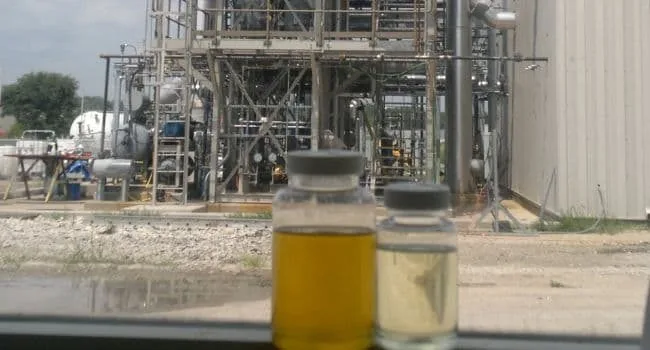
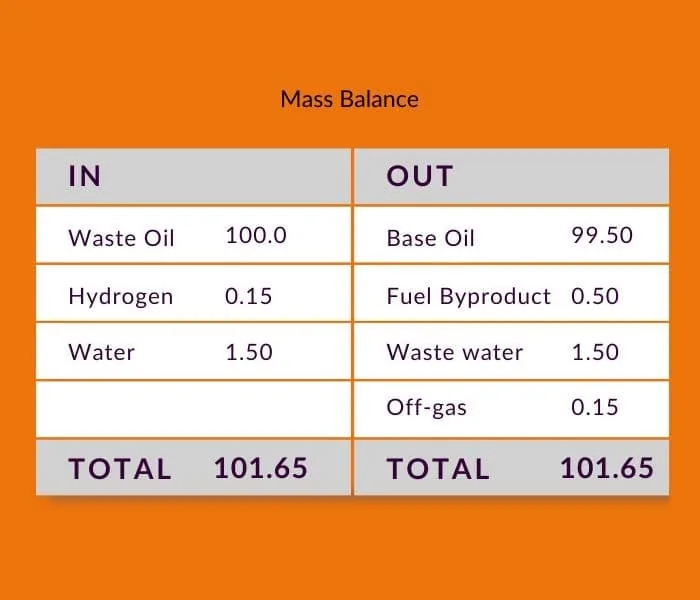
Hydrogenation in combination with vacuum drying and filtration is the most complete and advanced process technology for recycling of waste transformer oils. In the hydrogenation process, hydrogen gas reacts with sulfur, nitrogen, chlorine and other unsaturated compounds present in waste transformer oil, producing a water-white, stable product with low sulfur concentration and superior insulating properties.
Sequoia’s technology for transformer oil recycling
- Sequoia understands how to preserve the desirable inherent characteristics of naphthenic oils during the hydrogenation process and target only the undesirable compounds in the spent oil.
- Sequoia’s hydrogenation technology almost completely destroys carcinogenic organic chlorine compounds such as PCBs (polychlorinated biphenyls) often present in waste transformer oils.
- The resulting base oils can meet rigorous OEM specifications for transformer oils in the USA, Europe and Japan.
Economics
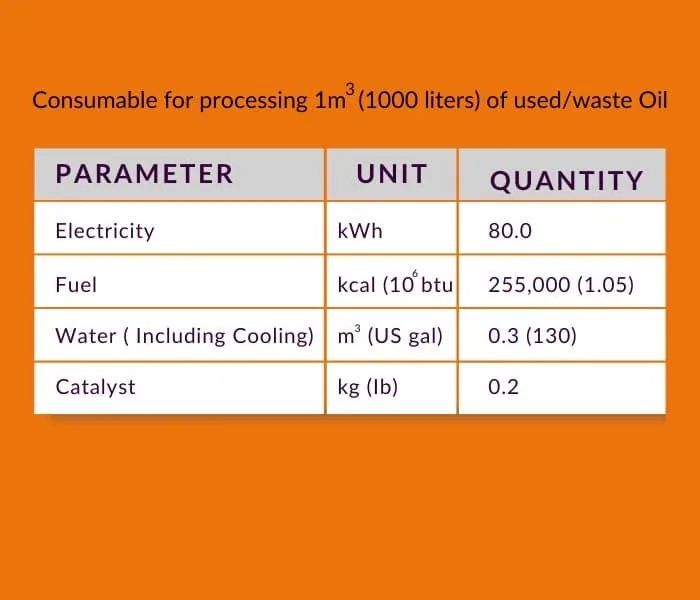
| Electricity, fuel, water, wastewater disposal and chemicals | US$ 10–20 per m³ of used transformer oil processed (US$ 0.04–0.08 per US gallon) |
|---|---|
| Direct labour | 8–10 persons |
| Land for a fully integrated facility | About 1 acre (4,000 m²) |
Frequently asked questions
Can hydrogenation remove PCBs from transformer oil?
Yes. Sequoia’s hydrogenation technology almost completely destroys carcinogenic organic chlorine compounds such as PCBs, as proven at a 5 million gallon/year naphthenic oil hydrotreater in Kansas City, USA.